Introduction
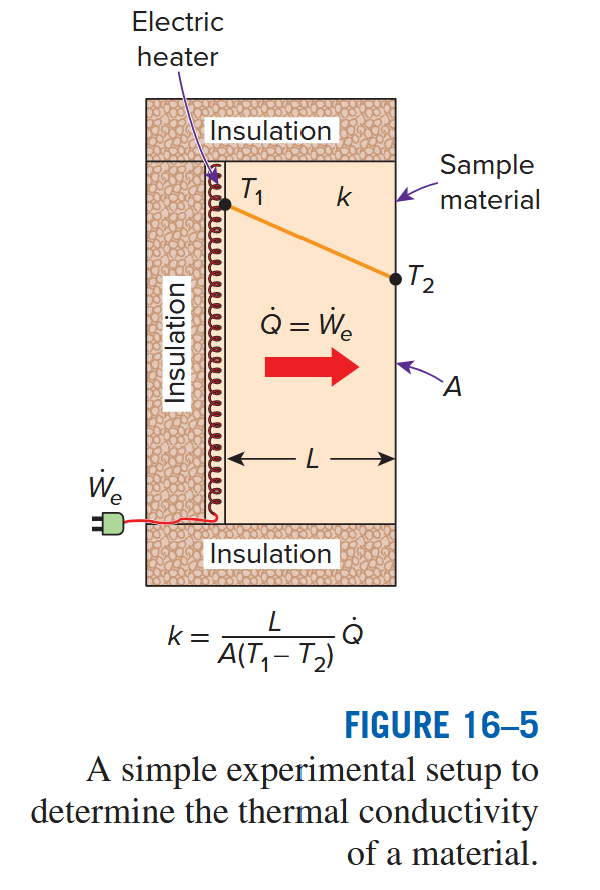
Thermal conductivity is the ability of a material to conduct or transfer heat. Measuring this property is important to understanding a material’s behavior in thermodynamic and heat transferring applications. The goal of this project is to create an economical system capable of measuring both liquids and solids to within 5% accuracy which can be used in the MET316LAB course.
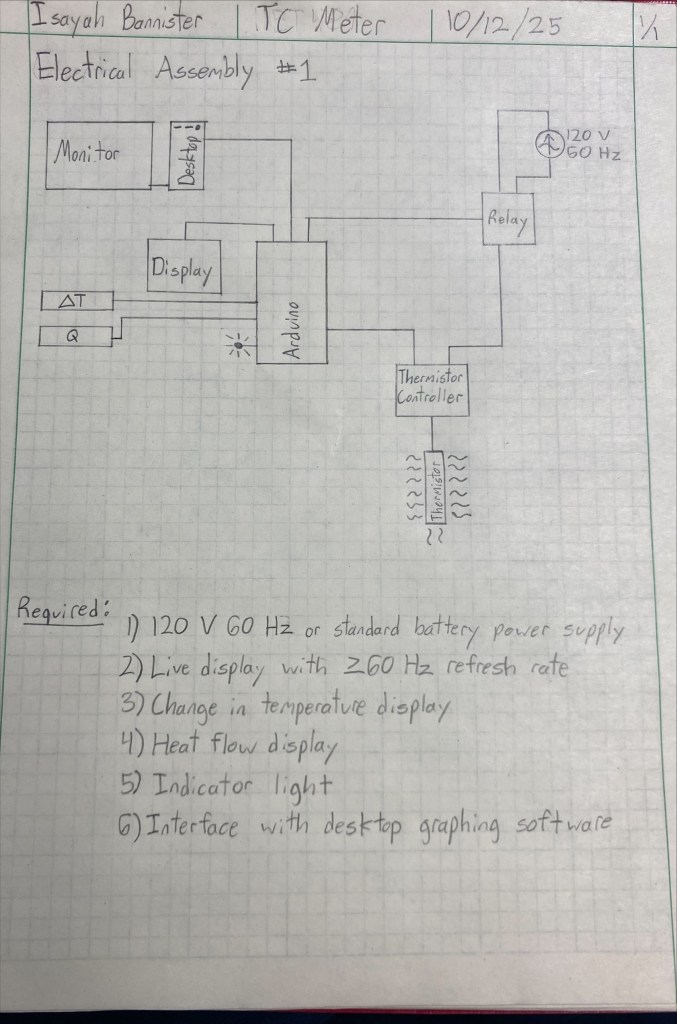
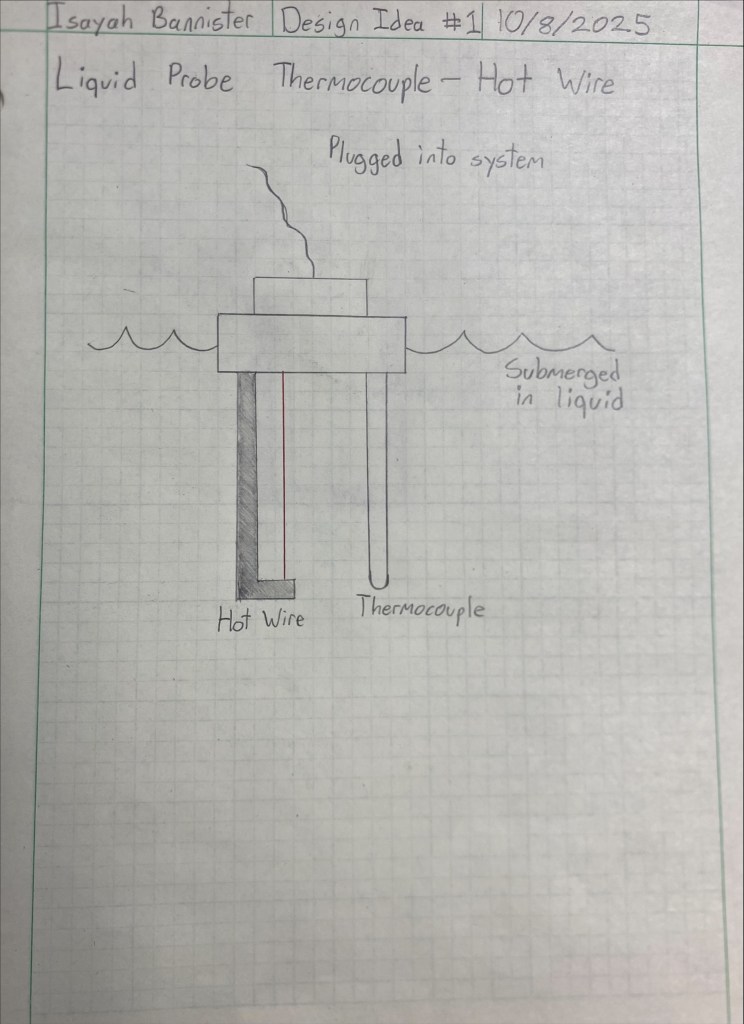
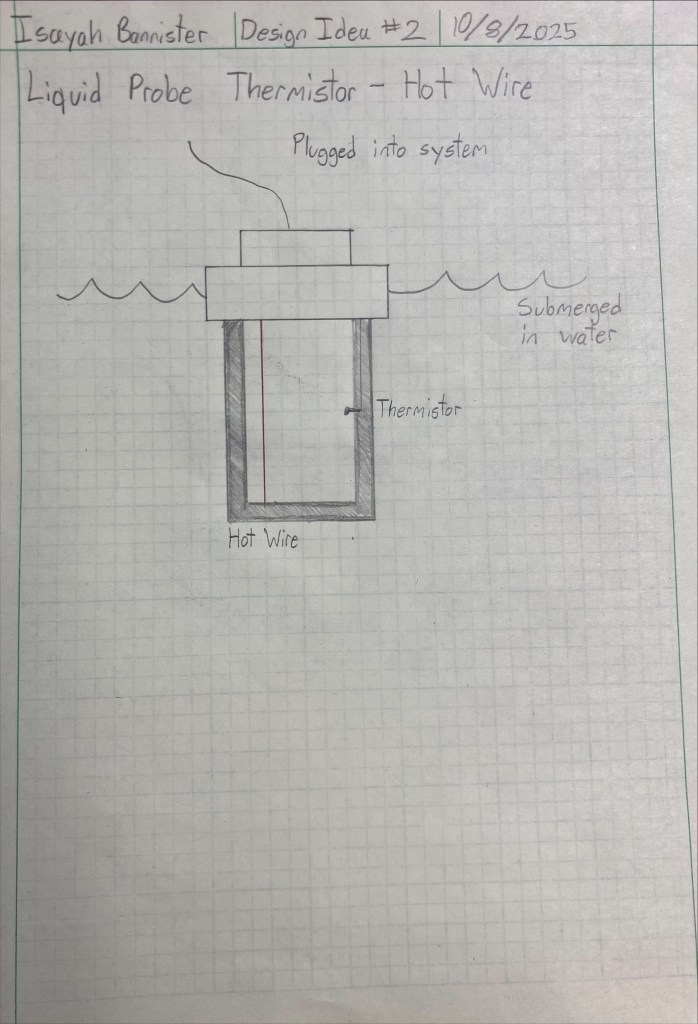
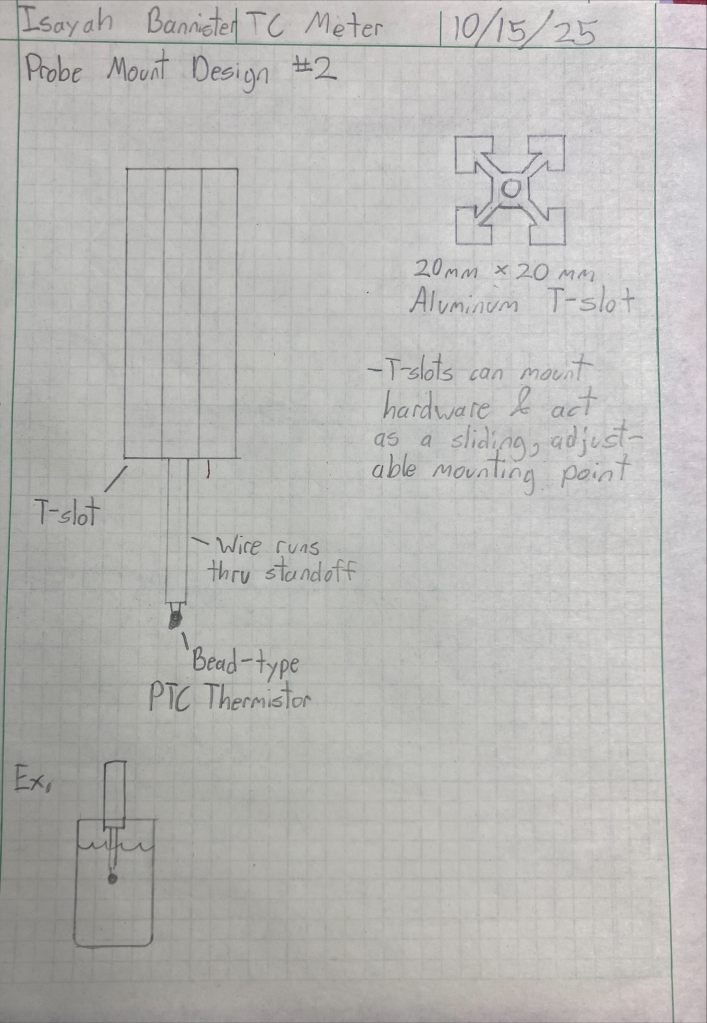
The Thermal Conductivity Meter (TC Meter) will heat a sample through applying a specific amount of energy that resistively heats a thermistor. Using temperature measurements taken before and after the energy is applied, the TC meter will be able to calculate the thermal conductivity of the material.

Personal Motivation
Energy-producing systems almost always involve components which create heat, and understanding the thermal properties of these materials is instrumental to engineering new, efficient energy systems. Whenever chemistry or electricity intersect with mechanical systems, thermal conductivity analyses can be applied and prove useful.
Practical Motivation
A thermal conductivity measurer is desired for the MET316LAB course. It would be used sparsely but would be an effective tool to illustrate thermal conductivity in a lab setting. Commercially available thermal conductivity measurement systems are typically large, complex, and expensive; all of which cannot be accommodated for within the lab scope and budget. Engineering a system which is compact, inexpensive, and easily upkept or upgraded would provide the lab with a learning resource and future students an opportunity to explore instrumentation.
Engineering Merit
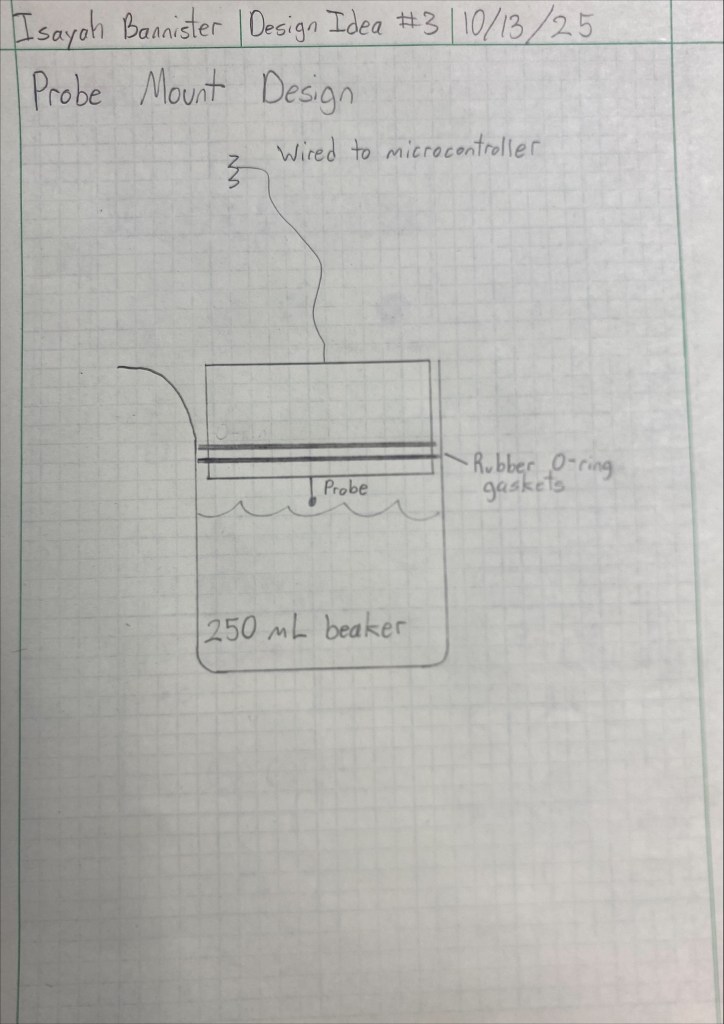
The project revolves around accurately analyzing thermal conductivity, which is a property of Heat Transfer. The simplest method of finding thermal conductivity involves assuming the measured environment as a lumped system. To do so, the geometry and thermodynamic properties of the probes and samples will be considered and scaled to a lump-able size. Instrumentation will be used to display live temperature measurements which will be factored into calculating conductivity. The housing and structures which will unite the circuitry and probes will require Mechanics of Materials analysis to ensure the designs are sufficiently strong.
 Thermal Conductivity Meter